How Fruit Protection Bags Increase Market Value and Reduce Crop Losses
Fruit growers invest significant time, labour and resources before a crop reaches the market. Yet insects, birds, excessive sunlight, rain, wind, diseases and surface damage can affect fruit quality during development. Even when the fruit remains edible, visible marks or uneven appearance can reduce its commercial grade and selling value.
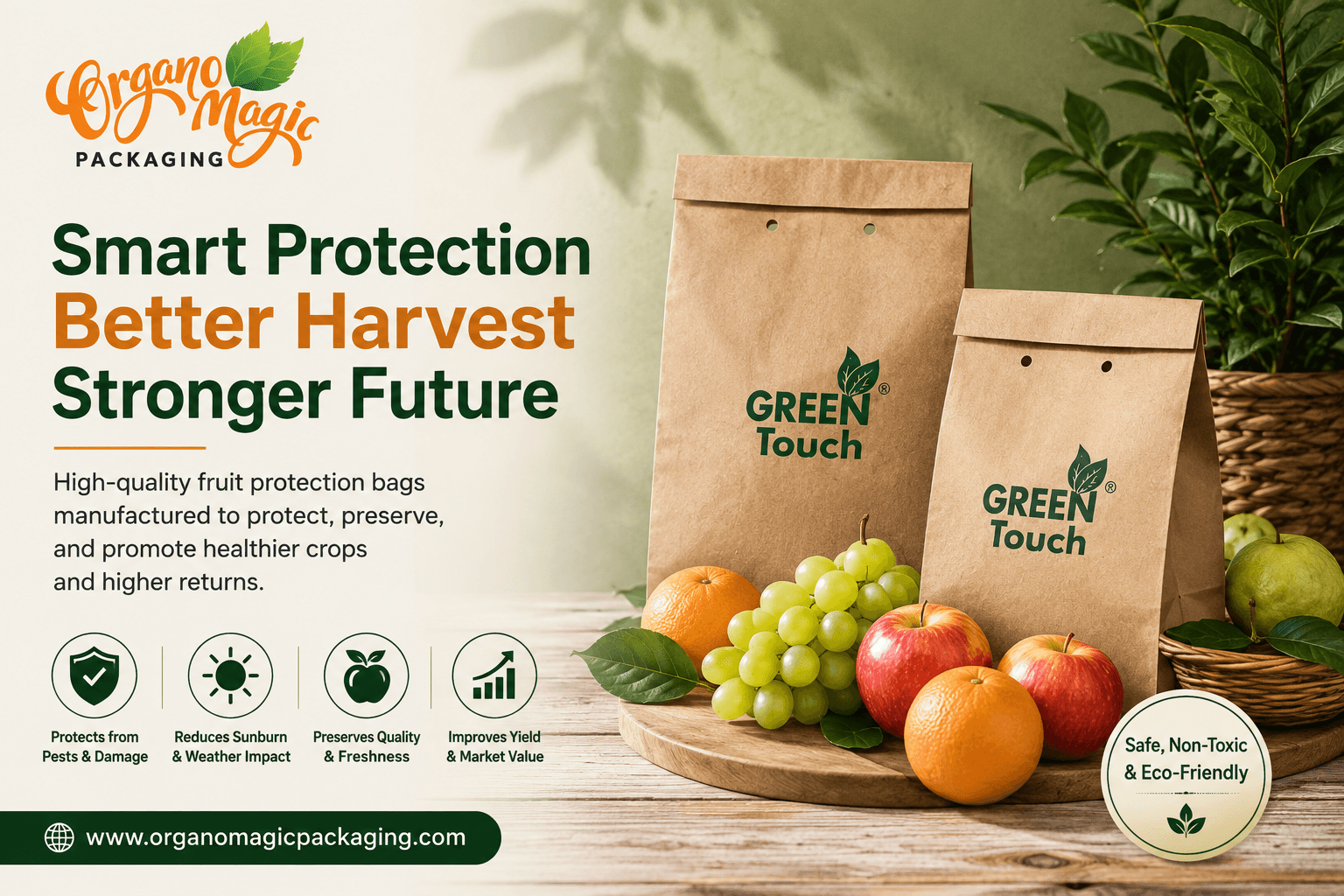
Fruit protection bags offer a practical way to create a physical barrier around developing fruit. When selected and installed correctly, they can help reduce certain types of pest and environmental damage while supporting better fruit appearance. Working with an experienced Fruit Protection Bag Manufacturer can help growers choose materials suited to their crop, climate and production requirements.
This guide explains how fruit protection bags work, how they can influence market value, what growers should consider before purchasing them, and how they fit into a broader crop-management strategy.
Quick Answer: How Do Fruit Protection Bags Reduce Crop Losses?
Fruit protection bags cover developing fruit and create a physical barrier against selected insects, birds, sunlight and environmental exposure. By reducing certain forms of damage and cosmetic defects, they can help increase the proportion of fruit reaching desirable market grades. Their effectiveness depends on material quality, installation timing, ventilation, crop type and proper field management.
What Are Fruit Protection Bags?
Fruit protection bags are protective covers placed over individual fruits during their development. They can be produced from different materials, including paper, non-woven fabric, mesh and specialised breathable films.
The purpose is not simply to cover the fruit. A properly designed bag must provide protection while allowing the fruit to develop under suitable conditions.
Different crops have different requirements. Some fruits require greater airflow, while others may benefit from reduced exposure to intense sunlight. The bag must therefore be selected according to the fruit variety, growing environment and intended protection.
Australian agricultural guidance recognises individual fruit bagging as one type of physical barrier that can be used for protecting certain commodities from pests. Its effectiveness depends on appropriate application and evidence that the protection reduces the relevant pest risk.
Why Can Fruit Protection Bags Increase Market Value?
Market value is influenced by more than fruit size and weight. Appearance, consistency, freedom from blemishes and overall quality can strongly affect how produce is graded and marketed.
Fruit protection bags may contribute to commercial value by helping fruit reach harvest with fewer visible defects.
Improved Appearance and Grading
Consumers generally expect fresh fruit to have an attractive and consistent appearance. Scratches, insect marks, sun damage and other surface defects can affect the perceived quality of produce.
By reducing exposure to certain external factors, protective covers may help produce maintain a cleaner appearance throughout development.
This can be particularly important for premium fruit where visual presentation plays a significant role in purchasing decisions.
More Marketable Produce
A harvested crop does not necessarily have the same commercial value across every fruit. Produce can be separated into premium, standard, processing or rejected categories depending on quality.
If protective bagging reduces certain types of damage, more fruit may potentially qualify for higher-value grades.
The economic benefit should therefore be measured using actual farm results rather than assumptions. Growers can compare protected and unprotected fruit and evaluate the difference in marketable yield and grade.
How Do Fruit Protection Bags Help Reduce Crop Losses?
Crop losses can happen for many reasons before harvesting. Insect damage, bird activity, weather exposure and cosmetic injury can all reduce the value of otherwise healthy fruit.
Fruit protection bags can address some of these risks by creating a barrier around the developing fruit. However, they should not be viewed as a complete replacement for crop monitoring or integrated pest management.
Physical Protection During Fruit Development
A protective cover can reduce direct contact between fruit and certain external threats. Depending on the material and construction, it may also reduce exposure to strong sunlight or minor physical contact.
The actual level of protection depends on factors such as bag design, closure method, material strength and installation quality.
Reduced Pest Exposure
Some insects must physically reach the fruit before causing damage. A correctly fitted bag can make access more difficult for certain pests.
However, growers should not assume that all pests will be excluded. Existing infestations, openings in the bag and incorrect installation can reduce effectiveness.
Australian Department of Agriculture guidance also emphasises that protected-unit measures should be evaluated according to their ability to reduce the relevant pest risk under commercial conditions.
How Should You Choose a Fruit Protection Bag Manufacturer?
Choosing a manufacturer should involve more than comparing the price of individual bags. A low-cost product may become expensive if it tears easily, requires frequent replacement or takes too long to install.
An experienced Fruit Protection Bag Manufacturer should provide clear information about the intended crop application, material characteristics and installation method.
Before making a purchase, growers should consider:
- Crop compatibility, bag dimensions and expected fruit growth.
- Material strength, breathability, moisture management and weather resistance.
- Installation time, fastening method, replacement requirements and overall cost per protected fruit.
Field trials can provide particularly useful information. Before implementing bagging across a large growing area, test the product on a representative section of the crop and compare results with untreated fruit.
What Role Does Material Design Play?
The material used for fruit protection bags influences how well the product performs in actual field conditions.
A breathable material can help manage airflow and moisture, while a stronger construction may be necessary in areas exposed to wind or frequent handling.
Light transmission is another consideration. Fruit development can be affected by changes in sunlight exposure, so the characteristics of the covering should be appropriate for the crop.
The goal is not to isolate the fruit completely. Instead, the objective is to provide an appropriate level of protection while maintaining conditions that support normal development.
Poor ventilation or excessive moisture inside a protective cover may create an unsuitable micro-environment. Regular inspection is therefore important.
When Should Fruit Protection Bags Be Installed?
Timing depends on the crop, fruit development stage and specific pest or environmental threat.
Installing bags too early may interfere with development or create unnecessary labour. Installing them too late may allow damage to occur before protection is established.
Growers should follow crop-specific recommendations and consider the following factors:
Fruit Development Stage
The fruit should generally be large enough to accommodate the protective covering but still early enough in development for the intended protection to provide meaningful value.
Pest Activity
Where insect pressure is a major concern, installation should be coordinated with crop monitoring and pest-management schedules.
Weather Conditions
Wind, rain and extreme temperatures can affect installation and bag performance. The fastening system should keep the covering secure without damaging stems or fruit.
Can Fruit Protection Bags Improve Post-Harvest Quality?
Fruit protection bags are primarily used during crop development, so they should not be confused with post-harvest treatments.
After harvesting, handling, grading, cooling, storage, packaging and transportation can all affect final quality.
Post-harvest coatings can serve a different purpose. The Australian Pesticides and Veterinary Medicines Authority provides guidance concerning post-harvest applications, including the use of certain waxes on fresh fruit.
Food Standards Australia New Zealand also explains that approved glazing agents can provide protective coatings on food, with certain permitted substances used for appropriate applications.
Therefore, a Fruit & Vegetable wax coatings supplier may be relevant to a broader post-harvest quality strategy, but wax coatings and pre-harvest fruit bags should be evaluated as separate technologies.
What Are the Best Practices for Using Fruit Protection Bags?
Successful bagging requires attention to both product selection and field application. Even a technically suitable bag can perform poorly if it is installed incorrectly.
Use the Correct Fit
The covering should provide enough room for the fruit to grow while limiting unnecessary openings. An excessively loose bag may allow pests or weather exposure to enter.
Maintain Appropriate Airflow
Protective covers should not create excessive moisture or condensation around the fruit. Regular field inspections can help identify problems before they affect crop quality.
Check Bags Throughout the Season
Wind, rain, insects and normal field operations can damage protective covers. Workers should inspect bags periodically and replace or repair damaged units when appropriate.
What Mistakes Should Growers Avoid?
One of the most common mistakes is choosing a product based only on the lowest purchase price. The real cost includes labour, installation time, replacement frequency and the resulting change in marketable yield.
Another mistake is treating bagging as a substitute for crop monitoring. Protective covers may reduce specific risks, but growers should continue observing pest populations, fruit development and environmental conditions.
It is also important to verify the suitability of materials for their intended agricultural or food-related application and to maintain appropriate documentation.
How Can Growers Measure the Return on Investment?
The commercial value of fruit bagging should be measured using real production data.
A practical field trial can compare protected and unprotected fruit under similar growing conditions. Growers can record material costs, labour requirements, damaged fruit, marketable yield and final grading.
For example, if bagging increases the percentage of premium-grade fruit enough to offset material and labour expenses, the system may provide a positive commercial return. If the crop receives little additional value from cosmetic improvement, extensive bagging may not be economically justified.
The important question is therefore not simply whether fruit bags work, but whether their measurable benefits justify the total cost of implementation.
What Legal and Food-Safety Considerations Matter?
Fruit protection bags are physical crop-management products, but growers should consider the wider regulatory environment surrounding crop production.
When agricultural chemicals are used alongside bagging, growers must follow applicable product labels, approved uses, withholding requirements and residue standards. Food Standards Australia New Zealand provides information on pesticide residues and food-safety requirements for horticultural production.
Exporting fruit can introduce additional requirements, including phytosanitary measures, inspection procedures and destination-market conditions. Australia's Department of Agriculture provides export information and market-specific requirements for horticultural products.
Growers should maintain accurate records relating to crop treatments, harvest activities, product specifications and relevant buyer or export requirements.
Expert Insights for Better Fruit Protection
The strongest approach is to treat protective bagging as one component of an integrated production system.
Growers should first identify the main cause of quality loss. If insect damage is the dominant issue, physical exclusion may provide useful value. If sunburn or weather damage is the primary concern, material properties and coverage design become more important.
Cost should also be evaluated at the level of marketable fruit, not simply cost per bag. A product that costs slightly more but installs faster, lasts longer and produces better field results may provide better overall economics.
Key Takeaways
Fruit protection bags can help growers reduce certain forms of crop damage while supporting better visual quality and marketable yield. Their effectiveness depends on crop-specific design, correct installation, appropriate ventilation and regular field monitoring.
The right product should be selected using both technical and commercial criteria. Growers should consider material quality, labour requirements, durability, crop compatibility and measurable changes in fruit grading.
Fruit bags also work best alongside broader crop-management practices rather than as a standalone solution.
Conclusion
Fruit protection bags can provide growers with a practical method for reducing selected sources of damage during fruit development. By creating a physical barrier around individual fruit, they may help limit insect exposure, bird interference, environmental stress and cosmetic defects.
However, successful use depends on selecting the right material, installing it at the appropriate stage and continuing to monitor the crop. The economic value should also be assessed through actual field results rather than assumptions.
Growers searching for Top Fruit Bag Manufacturers in near me should compare product specifications, durability, crop compatibility, installation requirements and technical support before making a decision. Combining appropriate fruit protection with sound crop management and responsible post-harvest practices can provide a more consistent approach to reducing losses and protecting market value.