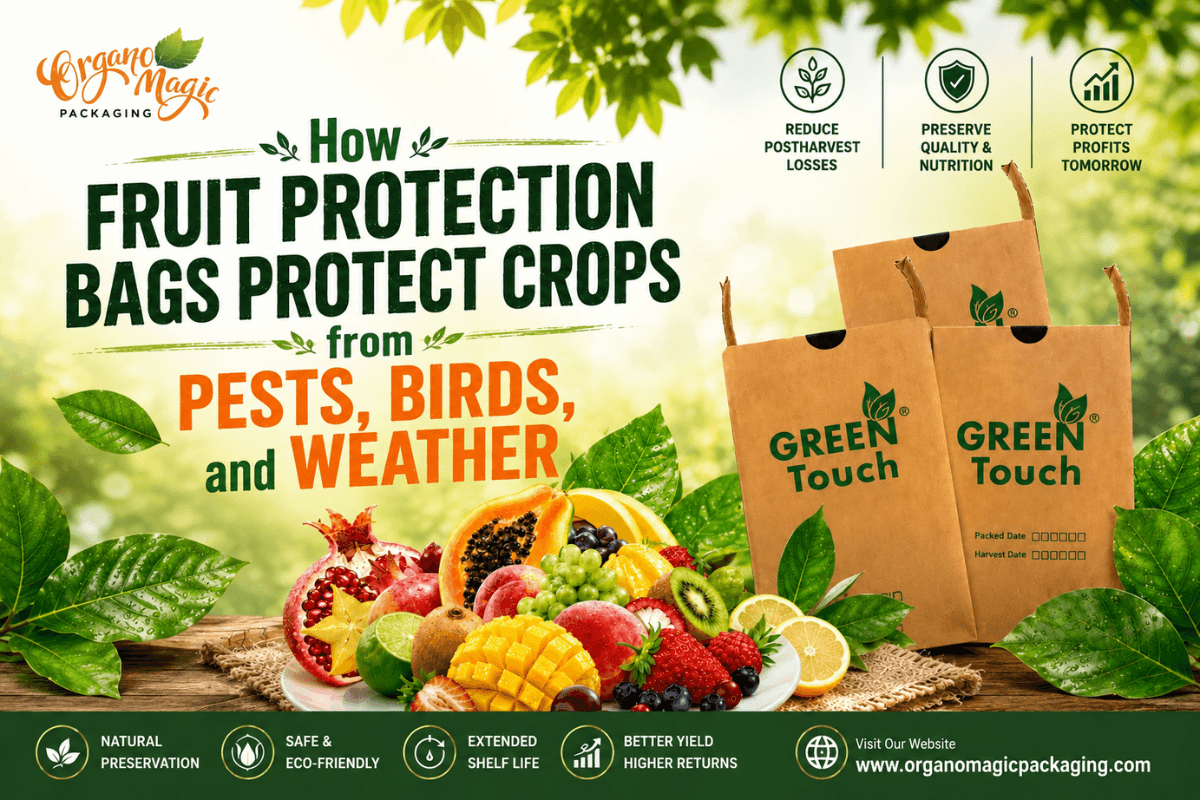
How Fruit Protection Bags Protect Crops from Pests, Birds, and Weather
Growing high-quality produce requires more than good soil, water, and sunlight. Farmers constantly face challenges from insects, birds, harsh weather, and environmental stress that can reduce yield and quality. Using protective covering solutions is one of the most effective ways to minimize these risks while maintaining healthy crop development. Choosing the right Fruit Protection Bag Manufacturer also plays an important role in ensuring consistent quality, durability, and reliable field performance throughout the growing season.
Why Protective Crop Covers Are Essential for Better Harvests
Modern agriculture focuses on reducing crop loss while improving quality and market value. Individual produce wrapping solutions create a physical barrier that shields developing produce from insects, birds, dust, excessive sunlight, wind, and rain. Instead of relying only on chemical treatments, growers can combine physical protection with good farming practices to achieve healthier harvests.
These coverings provide several important advantages:
- Help reduce damage caused by insects and flying pests.
- Prevent birds from pecking developing produce.
- Reduce scratches, bruises, and surface blemishes.
- Protect against heavy rainfall, hail, and strong winds.
- Minimize sunburn caused by excessive heat.
- Improve the appearance and overall market quality.
- Reduce unnecessary pesticide application.
- Support healthier growth throughout the cultivation cycle.
By creating a protective layer around developing produce, farmers can significantly reduce avoidable losses and improve the percentage of market-ready harvest.
Weather conditions remain one of the biggest uncertainties in farming. Sudden rainfall, strong winds, dust storms, and intense sunlight can affect both quality and yield. Protective wrapping materials act as a shield that reduces direct exposure while still allowing proper airflow. This balanced environment supports healthy development without trapping excessive moisture.
Bird attacks are another common concern, especially in orchards. Species attracted to sweet, ripening produce can cause considerable damage within a short period. Covering individual produce helps discourage birds from feeding, reducing waste and preserving quality until harvest.
Insect infestation also affects productivity across many crops. While pesticides remain part of integrated farming practices, physical barriers offer an additional level of defense. Many growers find that combining both methods helps lower pest pressure while reducing repeated chemical spraying.
Several orchard owners also work with a trusted mango covers manufacturer to obtain specialized solutions designed for delicate produce that requires additional care during the growing period. Proper sizing, breathable material, and weather resistance help improve field performance under different climatic conditions.
Another advantage is maintaining a cleaner harvest. Dust, dirt, and environmental pollutants can affect appearance during transportation and sale. Protective coverings help preserve the natural finish, making produce more attractive to wholesalers, retailers, and consumers.
Healthy appearance directly influences selling price. Produce with fewer blemishes, insect marks, or bird damage generally receives better market acceptance. Improved visual quality can increase buyer confidence and reduce post-harvest sorting losses.
Many growers appreciate the long-term economic value of these solutions. Although they require an initial investment, reduced crop damage and improved marketable yield often compensate for the cost. As many farmers say, protect today profit tomorrow, farmers get 2x price, highlighting the importance of preventive crop care.
Selecting quality materials is equally important. Breathable fabric, proper stitching, UV resistance, and suitable size contribute to better performance throughout the growing cycle. Inferior materials may tear easily or fail to provide adequate protection during adverse weather.
Working with a reliable Fruit Protection Bag Supplier helps farmers access consistent products that meet different crop requirements. Good suppliers also provide guidance on selecting suitable sizes, installation methods, and seasonal usage for various orchard conditions.
Proper installation also influences effectiveness. Covers should be applied after pollination while allowing sufficient room for natural growth. Regular field inspections ensure that damaged covers are replaced promptly and that developing produce continues receiving adequate ventilation.
Beyond protecting against pests and birds, these solutions also support sustainable agriculture. Reduced dependency on repeated pesticide spraying helps lower environmental impact while encouraging safer farming practices. Cleaner produce, healthier orchards, and efficient resource utilization contribute to long-term agricultural sustainability.
As climate variability continues affecting farming worldwide, preventive crop management techniques are becoming increasingly valuable. Combining modern cultivation methods with physical crop protection allows growers to better manage unpredictable weather while maintaining productivity and consistent quality.
Conclusion
Modern farming requires practical solutions that improve crop quality while reducing unnecessary losses. Physical crop covers offer an effective way to protect developing produce from insects, birds, harsh weather, and environmental damage. When combined with good agricultural practices, they contribute to healthier harvests, better appearance, and improved profitability. Choosing a Top Fruit Protection Bag Manufacturer can help growers access dependable products that support long-term productivity without relying solely on chemical control methods.
Frequently Asked Questions
1. When should protective crop covers be installed?
They are generally applied after successful pollination and early fruit development to allow proper growth while preventing pest and bird damage.
2. Can these covers reduce pesticide usage?
Yes. They provide a physical barrier against many insects, helping reduce the frequency of pesticide applications as part of integrated pest management.
3. Are they suitable for different crops?
Yes. They are available in multiple sizes and materials suitable for various orchard and horticultural crops.
4. Do they affect fruit growth?
When properly sized and installed, they allow adequate airflow and space for normal growth while protecting developing produce.
5. How do they improve market value?
Cleaner appearance, fewer blemishes, and reduced pest damage help increase the percentage of premium-quality produce available for sale.