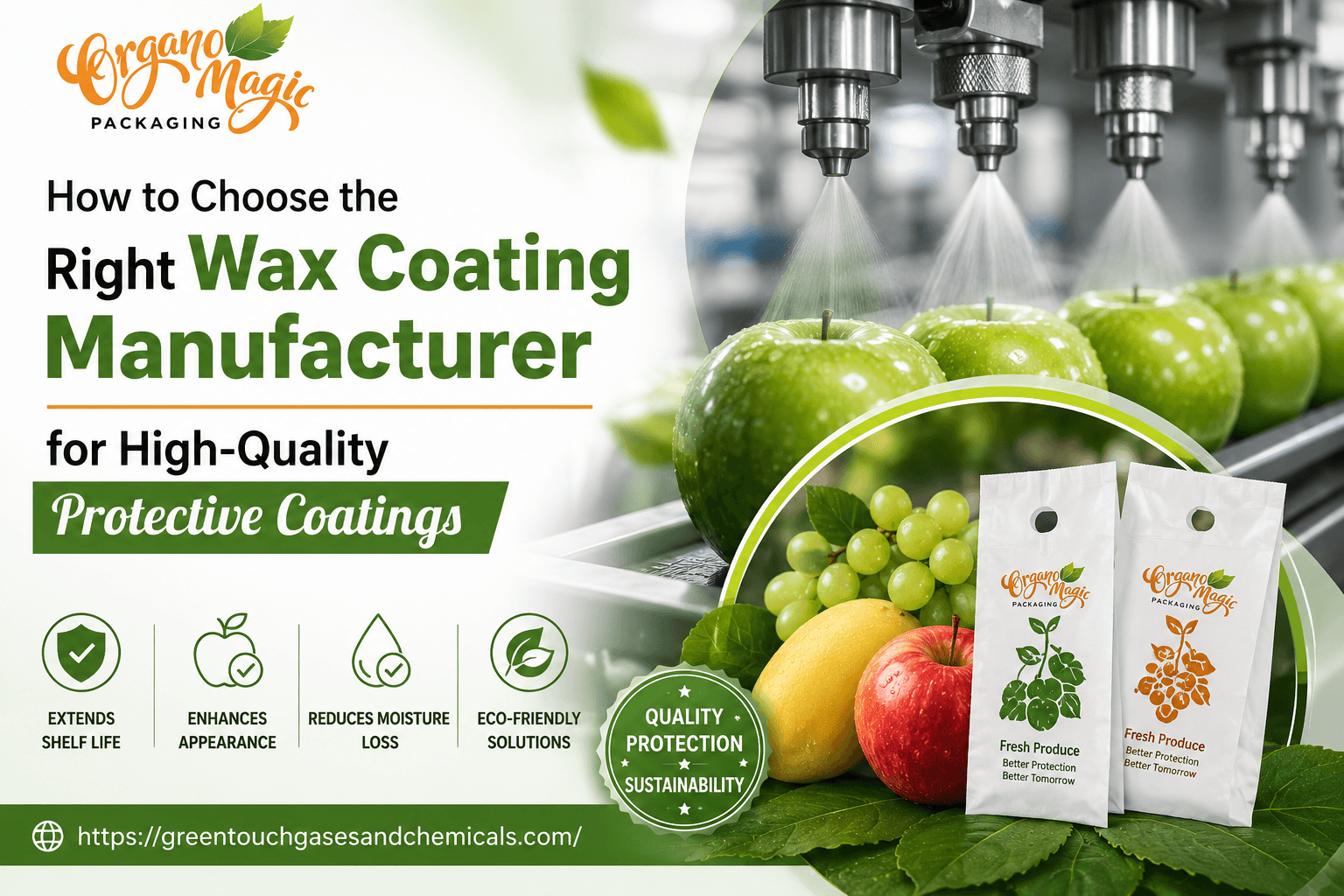
How to Choose the Right Wax Coating Manufacturer for High-Quality Protective Coatings
Selecting the right partner for protective surface solutions is an important decision for businesses involved in agriculture, food processing, packaging, and post-harvest management. High-quality protective formulations help improve product appearance, reduce moisture loss, extend shelf life, and support safer transportation. Whether you are preserving fresh produce or enhancing product durability, working with an experienced wax coating Manufacturer can make a significant difference in product performance, consistency, and customer satisfaction. Understanding what to evaluate before making a decision ensures long-term value rather than focusing only on initial costs.
Key Factors to Consider When Selecting a Reliable Protective Coating Partner
Choosing the right production company requires evaluating several technical and operational aspects. Instead of comparing prices alone, consider the following factors to ensure consistent quality and dependable service.
1. Product Quality and Performance
The first consideration should always be product quality. High-performance protective formulations should:
- Minimize moisture loss
- Improve product appearance
- Extend shelf life
- Resist environmental damage
- Support safe transportation and storage
Ask potential suppliers about their quality control systems, testing procedures, and product consistency. Reliable companies maintain strict manufacturing standards and provide detailed product specifications.
2. Industry Experience
Experience matters when selecting a company that develops protective formulations. Organizations with years of expertise understand the unique challenges faced by different industries, especially agriculture and food preservation.
Experienced teams can recommend suitable solutions for various applications, helping businesses achieve better performance while reducing waste and operational issues.
3. Compliance with Safety Standards
Protective materials used for agricultural and food applications must comply with relevant safety regulations. Always verify whether products meet applicable national and international standards.
Request documentation such as:
- Quality certifications
- Food-grade compliance (where applicable)
- Laboratory testing reports
- Material safety information
Working with compliant manufacturers minimizes regulatory risks and builds confidence among customers.
4. Research and Innovation
Technology continues to improve protective formulations. Companies investing in research and development often produce better-performing products with improved durability, environmental compatibility, and application efficiency.
Look for manufacturers that regularly update their formulations to meet changing industry requirements rather than relying on outdated production methods.
5. Customization Options
Every business has different operational needs. Some products require thicker protective layers, while others need lightweight, breathable finishes.
A company offering customized formulations can develop solutions based on:
- Product type
- Climate conditions
- Storage duration
- Transportation requirements
- Customer specifications
Customized products often deliver better performance than one-size-fits-all alternatives.
6. Manufacturing Capacity
Production capability becomes increasingly important as your business grows.
Consider whether the company can:
- Handle large-volume orders
- Maintain consistent quality
- Meet seasonal demand
- Deliver within agreed timelines
Reliable production capacity reduces supply chain disruptions and helps businesses maintain uninterrupted operations.
7. Technical Support
A dependable partner provides more than just products.
Professional technical support may include:
- Application guidance
- Storage recommendations
- Product selection assistance
- Performance optimization
- Troubleshooting
Strong after-sales service helps customers maximize product effectiveness.
8. Reputation and Customer Reviews
Customer feedback provides valuable insight into a company's reliability.
Look for:
- Positive client testimonials
- Long-term business relationships
- Case studies
- Industry references
- Consistent product performance
A solid reputation often reflects dependable quality and responsive customer service.
9. Sustainable Manufacturing Practices
Environmental responsibility is becoming increasingly important across industries.
Modern manufacturers are investing in:
- Eco-friendly production methods
- Reduced waste generation
- Energy-efficient facilities
- Sustainable raw materials
- Responsible packaging
Choosing environmentally conscious partners supports corporate sustainability goals while meeting evolving customer expectations.
10. Complete Product Range
Working with a company offering multiple protective solutions can simplify procurement and ensure compatibility across different applications.
Businesses often benefit from suppliers providing complementary products for agricultural preservation, packaging, and post-harvest handling.
For example, organizations searching for a reliable Fruit Protection Bag Manufacturer may also prefer companies offering integrated preservation solutions, helping streamline sourcing while maintaining consistent product quality.Choosing a supplier based on these criteria helps businesses establish long-term partnerships instead of making short-term purchasing decisions.
Another important consideration is whether the company serves multiple preservation needs. Businesses seeking a dependable Fruit & Vegetable wax coatings supplier should evaluate technical expertise, product consistency, customer support, and ongoing innovation rather than relying solely on pricing comparisons.
Businesses should also inquire about logistics capabilities. Timely deliveries, proper packaging, inventory management, and efficient distribution networks contribute significantly to operational efficiency. Delayed shipments can impact production schedules and reduce customer satisfaction, making logistics an essential evaluation factor.
Communication is equally important. A responsive supplier quickly addresses technical questions, order updates, and quality concerns. Clear communication strengthens collaboration and reduces misunderstandings throughout the business relationship.
Price should always be evaluated alongside value. While lower prices may seem attractive initially, poor-quality materials can lead to product losses, increased waste, dissatisfied customers, and higher long-term costs. Investing in reliable protective solutions often produces better overall returns through improved performance and reduced operational risks.
Businesses should also request product samples before placing large orders. Testing products under actual operating conditions allows companies to evaluate performance, compatibility, ease of application, and expected results before making a long-term commitment.
Finally, consider the manufacturer's commitment to continuous improvement. Companies that invest in employee training, modern equipment, quality assurance, and customer feedback mechanisms are better positioned to deliver consistent products as market requirements evolve.
Conclusion
Selecting the right production partner requires careful evaluation of quality standards, technical expertise, regulatory compliance, manufacturing capability, customization options, sustainability practices, and customer support. Taking the time to assess these factors helps businesses build dependable supply relationships and achieve consistent product performance over the long term. Instead of focusing solely on cost, prioritize reliability, innovation, and proven quality when comparing Top Wax Manufacturers, ensuring your protective solutions continue to meet both operational requirements and customer expectations.