
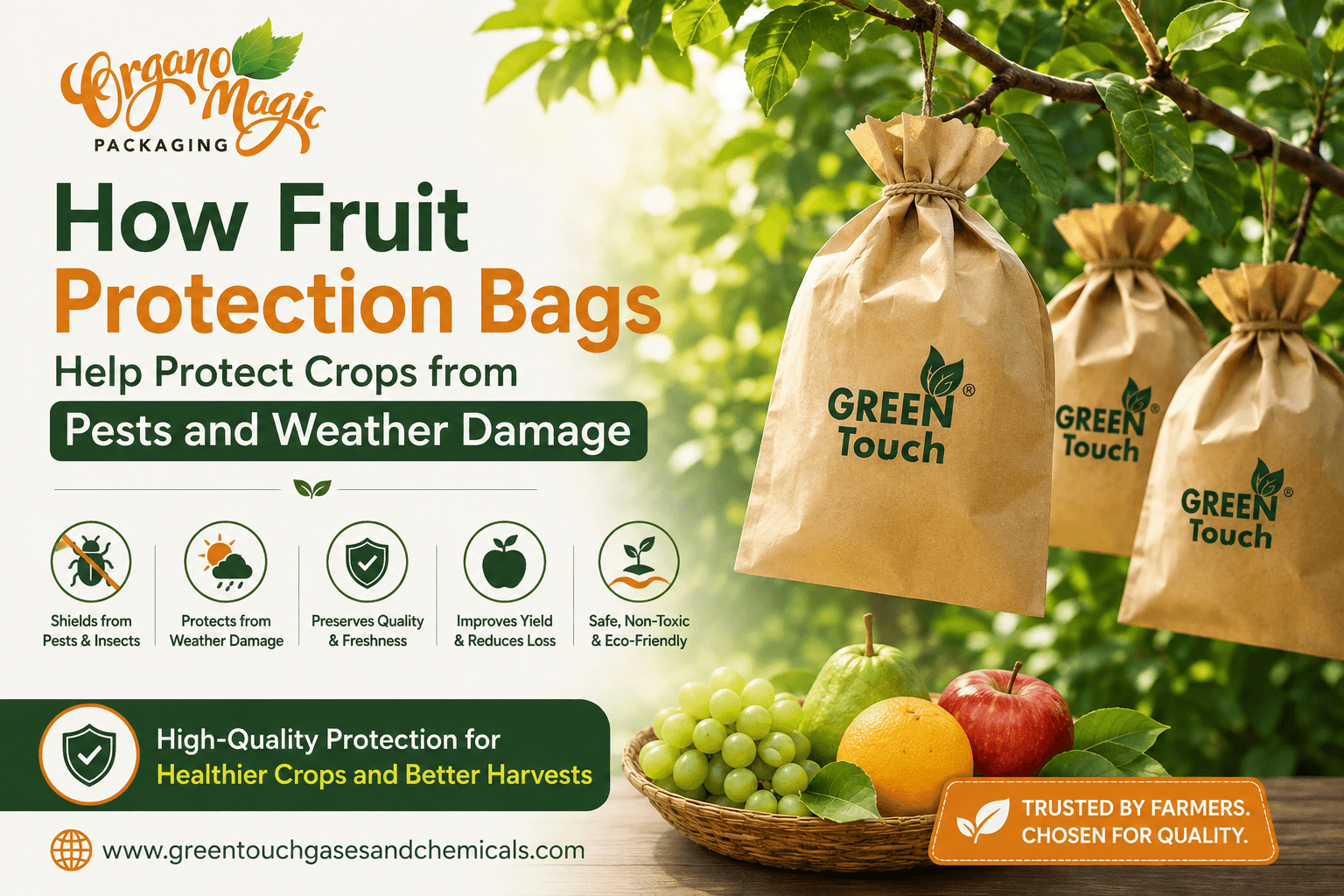
How to Select the Right Fruit Protection Bags for Different Crops
Selecting suitable coverings for harvested or growing produce is an important part of modern crop management. Different varieties have different needs depending on their size, skin sensitivity, growing conditions, pest exposure, and harvesting period. The right material can help reduce physical damage, insect attacks, sun exposure, and weather-related issues. For growers comparing options, understanding specifications is more useful than choosing based only on price. Working with a reliable Fruit Protection Bag Supplier can also help identify suitable formats for specific crops and cultivation conditions.
Factors to Consider When Selecting Crop Coverings
Not every crop requires the same type of covering. A material designed for delicate produce may not be appropriate for larger varieties, while a design intended for outdoor use may perform differently in humid or windy conditions. Before making a purchase, growers should evaluate the following factors:
Crop type: Apples, grapes, mangoes, guavas, pomegranates, pears, and other varieties differ considerably in shape, size, and surface sensitivity. The covering should match the physical characteristics of the produce.
Size and dimensions: A properly sized sleeve should provide enough room for natural growth without being excessively loose. An unsuitable size may rub against the surface or fail to provide adequate coverage.
Material quality: Common materials include paper, non-woven fabric, mesh, and specialized films. Each option offers different levels of airflow, durability, light control, and moisture management.
Ventilation: Adequate air circulation is essential, particularly in warm and humid growing environments. Materials that restrict airflow excessively may increase moisture accumulation and encourage fungal problems.
Light management: Some crops benefit from reduced exposure to intense sunlight. Appropriate coverings can help minimize sunscald and surface discoloration while still allowing suitable light conditions.
Pest resistance: If insects are a major concern, growers should consider designs with sufficiently small openings and secure closures. The objective is to create a physical barrier without unnecessarily restricting airflow.
Weather resistance: Outdoor cultivation exposes coverings to rain, wind, heat, and changing temperatures. Durable materials are generally more appropriate when they need to remain in place for extended periods.
Installation method: A practical design should be easy to place and secure. Complicated installation can increase labor requirements, particularly across large orchards.
Removal requirements: Consider how easily the covering can be removed during inspection and harvesting. A convenient design can reduce unnecessary handling and minimize damage to branches or produce.
Biodegradability and disposal: Environmental considerations are becoming increasingly relevant. Where suitable, biodegradable or recyclable materials can help reduce agricultural waste.
Crop development period: The expected time between application and harvest should influence material selection. Longer growing periods generally require stronger and more weather-resistant options.
Local climate: Temperature, humidity, rainfall, and wind conditions vary by region. A covering suitable for dry conditions may not provide the same performance during monsoon periods.
Choosing According to Specific Crop Requirements
The first step is to understand what the crop actually needs. For example, grapes are generally grown in clusters and may require lightweight, breathable materials that can accommodate their structure. Larger produce such as mangoes and guavas may require more spacious designs that prevent direct rubbing against the skin.
Pomegranates have relatively firm outer surfaces but may still benefit from barriers against insects, birds, and environmental exposure. Apples and pears can require coverings that support surface quality while allowing sufficient ventilation. Delicate varieties may need softer materials to reduce abrasion during windy conditions.
Growers should also consider whether the primary purpose is insect exclusion, reduction of weather-related damage, improvement of external appearance, or a combination of these objectives. Defining the main requirement makes it easier to compare available specifications.
A reputable Fruit Protection Bag Manufacturer should be able to provide information about material composition, dimensions, thickness, ventilation characteristics, closure mechanisms, and recommended applications. Asking for technical details before ordering can help growers avoid selecting a product based solely on appearance.
Why Material Selection Matters
Material selection directly affects performance in the field. Paper-based options may offer useful light management and can be suitable for certain orchard applications. Mesh designs can provide excellent airflow while creating a physical barrier against selected pests. Non-woven materials may provide a balance between breathability and coverage.
The choice should therefore be based on the crop, climate, expected exposure period, and intended outcome rather than using one solution for every variety. Farmers managing multiple crops may benefit from maintaining different sizes or material types according to seasonal requirements.
For growers searching for a Fruit Protection Bag Supplier near Ahmedabad, Gujarat, it is useful to compare technical specifications, available sizes, minimum order quantities, material options, and suitability for local growing conditions. Regional availability can also simplify transportation and communication, but product performance should remain the primary consideration.
Practical Steps Before Ordering
Before finalizing a purchase, growers can follow a simple evaluation process:
- Identify the crop and variety.
- Measure the approximate size of the produce at the application stage.
- Determine the main concern, such as insects, birds, sunlight, rain, or surface damage.
- Review material and ventilation specifications.
- Check how the covering is attached and removed.
- Consider the expected field duration.
- Test a small quantity before making a larger purchase.
- Assess performance under actual growing conditions.
- Compare durability and total usage cost rather than only the initial price.
Select the option that provides the most suitable balance between coverage, airflow, usability, and environmental considerations.
Small-scale field trials can be particularly useful because performance may vary according to crop variety and local climate. A covering that works well in one orchard may require adjustment in another.
Conclusion
Selecting the appropriate covering for agricultural produce requires more than choosing a standard size or material. Crop characteristics, climate, pest pressure, ventilation, durability, installation, and environmental considerations should all be evaluated before purchasing. Understanding these factors helps growers make practical decisions while reducing avoidable damage and unnecessary expenditure.
Instead of relying on a single design for every variety, growers should match specifications to individual cultivation requirements. Comparing technical information and conducting small trials can provide valuable insight before large-scale use. By carefully evaluating available options and working with experienced Top Fruit Bag Manufacturers Gujarat, growers can develop a more suitable approach to managing crop quality throughout the growing season.